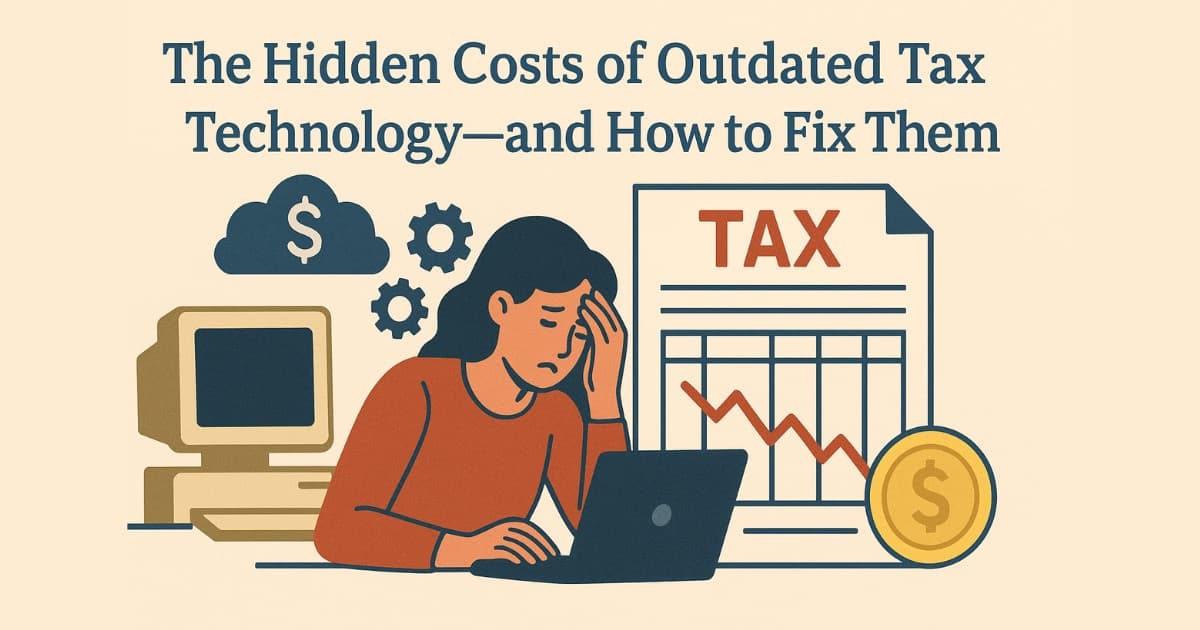
For many small accounting firms, technology often feels like an afterthought. Software that "gets the job done" is considered good enough, and upgrading tools can seem unnecessary or expensive. But here's the reality: outdated tax technology isn't just inefficient—it's costly.
Hidden beneath the surface are expenses that eat away at profitability, strain client relationships, and limit growth potential. The Big 4 firms know this, which is why they invest heavily in the latest tools. Smaller firms, however, often carry the weight of older systems that hold them back.
Let's take a closer look at the hidden costs of outdated tax technology—and how firms can overcome them with modern, AI-powered solutions like Tax Stack AI.
The Real Cost of Slow Research
Ready to transform your practice with AI? Talk to Tax Stack AI about a custom system built for your firm.
Every accountant knows the frustration of digging through outdated databases, flipping between multiple resources, or manually searching for tax code updates. This kind of research is not only time-consuming but also prone to errors.
Outdated research tools mean:
- Longer turnaround times for client requests
- Higher chances of missing critical tax code changes
- Less confidence in the accuracy of your work
Over time, these delays create bottlenecks, stress during busy seasons, and dissatisfied clients who expect faster answers.
The Fix: With Tax Stack AI's AI-powered chatbot for tax research, accountants can instantly access relevant, up-to-date information. Instead of spending hours cross-checking sources, firms can deliver accurate answers in minutes—saving time and reducing risk.
Missed Opportunities in Client Relationships
Outdated technology doesn't just impact back-office tasks—it limits how well you can serve your clients. Many firms still rely on generic client management systems that only track deadlines and billing. While functional, these systems don't provide meaningful insights that can help firms offer more value.
The hidden cost here is the lost opportunity for advisory services. When firms lack the tools to analyze client data, they miss chances to suggest tax savings, flag risks, or proactively recommend strategies. This leaves room for clients to seek out larger firms with more advanced capabilities.
The Fix: Tax Stack AI's customer management tool with AI-powered insights transforms client data into actionable guidance. Instead of generic reports, accountants can uncover tailored insights that strengthen relationships, increase retention, and open the door to higher-value advisory services.
Manual Document Review Drains Resources
Another hidden cost of outdated tax technology lies in document handling. Many firms still review contracts, tax filings, and financial statements manually. While necessary, this process is slow and increases the likelihood of oversight.
Manual review leads to:
- Extended hours during peak filing seasons
- Inconsistent accuracy from team to team
- Reduced capacity to take on new clients
Even when firms hire more staff to manage the workload, labor costs rise quickly, cutting into profitability.
The Fix: With AI-powered document analysis, Tax Stack AI scans and interprets tax documents automatically, extracting key information and flagging potential issues. This allows accountants to spend less time buried in paperwork and more time focusing on higher-value services like planning and advisory.
Compliance Risks That Go Unnoticed
Tax codes and regulations evolve constantly, and relying on outdated technology can leave firms exposed to compliance risks. Missing an update, overlooking a filing requirement, or misinterpreting a rule can have severe financial and reputational consequences.
For smaller firms, a single compliance error can damage client trust and even lead to legal exposure. Larger firms can absorb such risks with legal departments and risk management teams—most smaller practices can't.
The Fix: AI tools provide a stronger safety net. Tax Stack AI's research and analysis capabilities help ensure firms stay aligned with current regulations, reducing the likelihood of errors and giving accountants confidence that they're delivering compliant, accurate work.
Growth Limitations
Perhaps the biggest hidden cost of outdated tax technology is its impact on growth. Firms bogged down by inefficient systems can't scale effectively. Every new client feels like additional strain, and partners often spend more time managing technology gaps than focusing on expanding services.
The Solution: Modern AI-Powered Tax Technology
The good news is that modern AI technology eliminates these hidden costs without requiring massive investments or complex implementations. Tax Stack AI provides:
- Instant research capabilities that reduce time spent on manual searches
- Client insights that enable proactive advisory services
- Document analysis that improves accuracy and efficiency
- Compliance support that reduces risk and increases confidence
Making the Transition
Moving from outdated systems to modern AI technology doesn't have to be overwhelming. Start by identifying which hidden costs impact your firm most:
- If research takes too long, begin with AI-powered tax research
- If client relationships need strengthening, focus on AI insights
- If document review is a bottleneck, implement AI analysis tools
The Investment Pays for Itself
While upgrading technology requires an initial investment, the hidden costs of staying with outdated systems far outweigh the expense of modernizing. Firms using AI-powered tools report:
- 40% faster research times
- 30% reduction in manual document review
- Increased client satisfaction through faster, more accurate service
- New revenue opportunities through enhanced advisory capabilities
Conclusion
The hidden costs of outdated tax technology—slow research, missed client opportunities, manual inefficiencies, compliance risks, and growth limitations—add up to significant expenses that impact both profitability and competitiveness.
Modern AI solutions like Tax Stack AI eliminate these costs while providing small firms with enterprise-level capabilities. The question isn't whether you can afford to upgrade—it's whether you can afford not to.